Things only anxious dog owners will understand
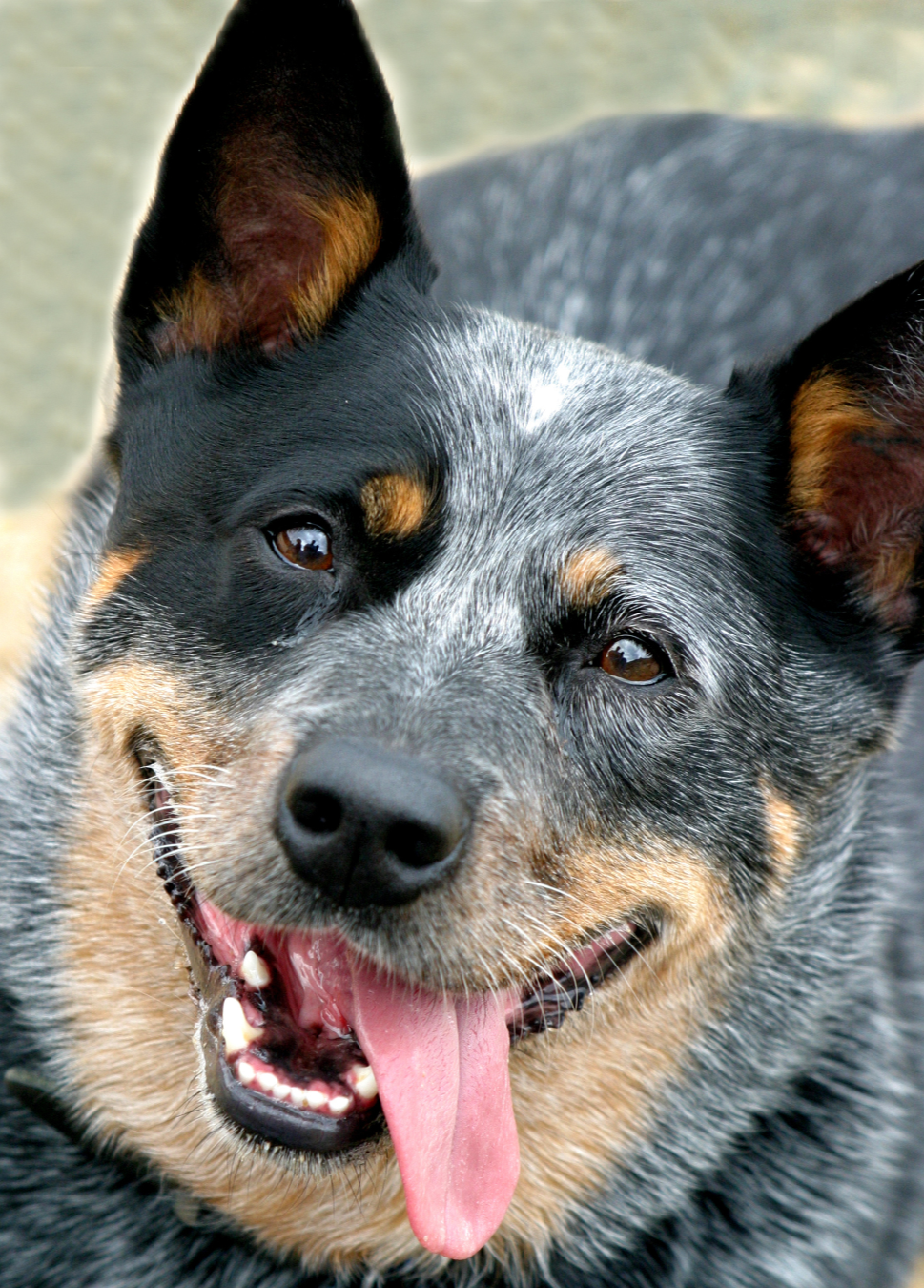
If you know, you know.
Life with an anxious dog means becoming part trainer, part strategist, part body language expert. It means scanning the environment before your dog has even stepped outside, noticing tiny changes in posture, and quietly calculating distances, exits and escape routes in real time.
To anyone else, it can look excessive. To an anxious dog owner, it is simply everyday life.
Here are a few things that may feel very familiar.
Reading dog body language like you’re preparing for a PhD thesis
You start to notice everything. Ear position. Mouth tension. Weight shifts. A freeze so subtle most people would miss it entirely.
Over time, anxious dog owners become fluent in the smallest signs. Not because they want to overanalyse every walk, but because those details matter. Sometimes the difference between a manageable moment and a difficult one is spotted in half a second.
Planning walks like a military evacuation route
Some people head out for a walk and see where they end up.
Owners of anxious dogs do not.
You learn which roads are quieter, which corners are too narrow, which parks are empty before 7am, and which route gives you the best chance of avoiding an uncontrolled dog running straight towards you. Walks can start to feel less spontaneous and more tactical.
The blind corner. Every. Single. Time.
There is always one corner you dread.
A bend in the path, a hedge, a parked van, an alleyway, a garden gate. Anywhere that removes your ability to see what is coming next can put you instantly on alert. Not because you are dramatic, but because surprises are rarely helpful when your dog is already working hard to feel safe.
“Don’t worry, he’s friendly!”
(internally screaming)
Few phrases are more familiar to anxious dog owners than this one.
The problem is not whether the other dog is friendly. The problem is that your dog may still be frightened, overwhelmed, or unable to cope with a fast approach. What feels casual to one owner can feel completely unmanageable to another.
This is one of the hardest parts of life with an anxious dog: knowing your dog’s limits, while constantly navigating a world that does not always recognise them.
Carrying emergency chicken like it’s currency
Treats become less of a reward and more of a survival tool.
Anxious dog owners often leave the house equipped like they are preparing for a minor field operation. High-value food, backup food, something even better for emergencies, and the quiet hope that none of it will be needed.
And yet, the emergency chicken remains essential. And that’s if your dog remains calm enough to take it.
The internal chant: “We’re fine. We’re fine. We’re fine.”
Sometimes this is for the dog.
Sometimes it is for you.
Living with an anxious dog can be emotionally demanding. You want to stay calm because your dog depends on you, but some moments require a real effort to hold yourself together. Managing your own energy becomes part of the work.
6am walks, because peace beats sleep
Early mornings, bad weather and slightly inconvenient timing often become surprisingly appealing when they offer one thing: space.
Many anxious dog owners learn to value quiet above almost everything else. An empty field in the rain can feel more luxurious than a sunny park full of unpredictable encounters.
Visitors. The three-day psychological preparation.
For some dogs, a visitor is simply a visitor.
For others, it is a major event.
Anxious dog owners often find themselves planning ahead, adjusting routines, managing entrances, setting up safe spaces, and hoping everyone follows instructions. Even a short visit can require far more thought than most people realise.
And one more thing: walking in the rain on purpose
Not because it is enjoyable, exactly.
But because fewer people are outside, fewer dogs are about, and the whole world becomes a little quieter. For owners of anxious dogs, that kind of peace can be worth getting soaked for.
Living with an anxious dog
There is humour in all of this, but there is also something deeper underneath it.
Living with an anxious dog teaches you to observe more closely, plan more carefully, and advocate more clearly. It can be tiring, but it also builds patience, attentiveness and a kind of quiet partnership that many people never fully see from the outside.
If you live with an anxious dog, you are almost certainly doing more than most people realise.
And if you know, you know.