Why is your dog digging?
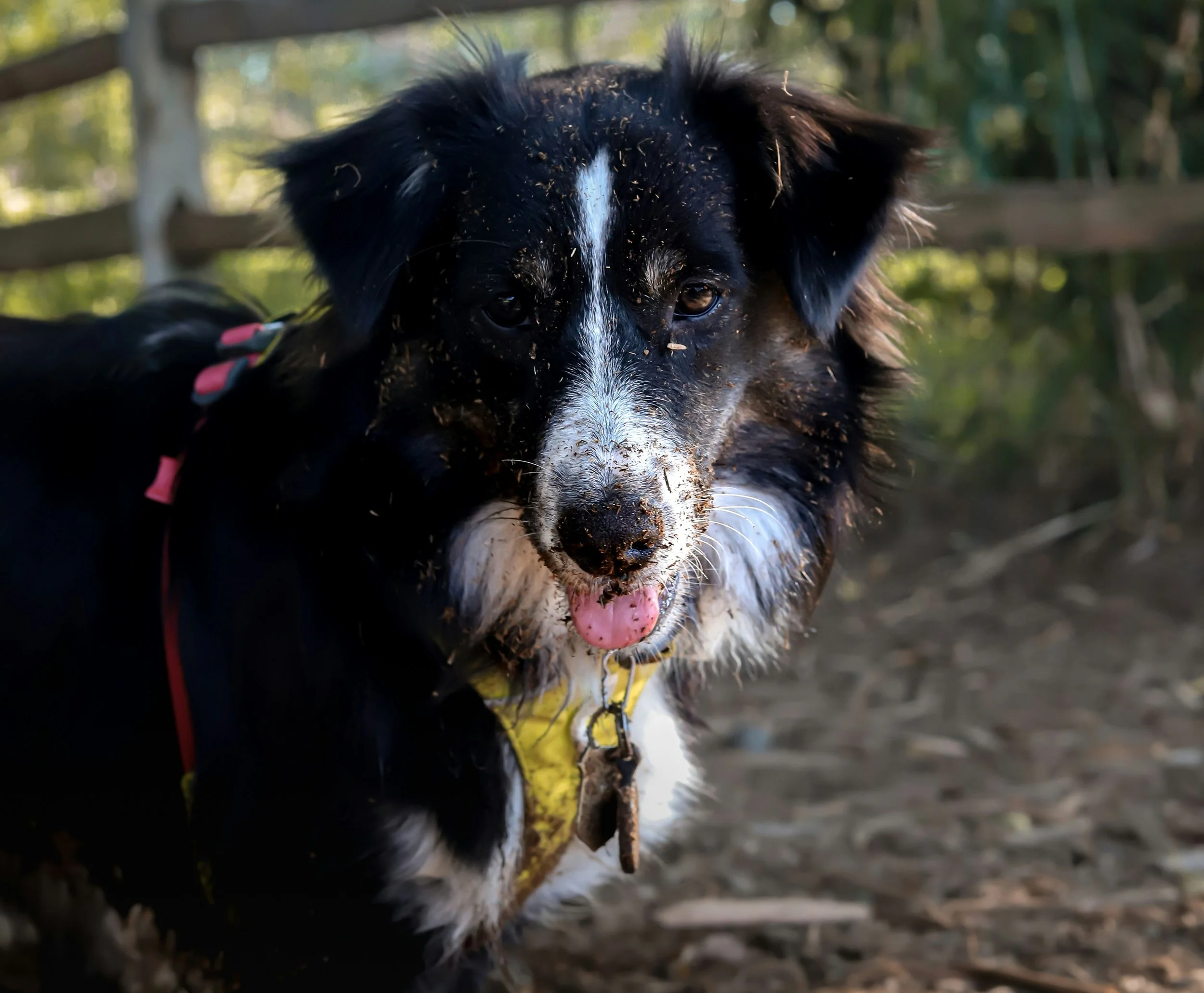
Digging isn’t random.
It’s rarely “just naughty”.
For many dogs, digging is instinctive behaviour. For others, it’s a way of exploring scent, regulating their nervous system, or simply interacting with the world in a way that feels natural to them.
Understanding why a dog digs often changes how we respond to it. What can look like destruction is frequently something far more ordinary… and sometimes even useful.
Here are some of the most common reasons dogs dig.
Hunting instinct
For some dogs, digging is deeply hard-wired.
Many breeds were historically developed to go to ground in pursuit of small animals. Terriers, dachshunds and some spaniels were specifically bred to follow scent trails beneath the surface and flush prey from burrows.
For these dogs, digging isn’t misbehaviour. It’s an expression of the instincts they were originally selected for. When a dog begins to dig with intense focus, nose low and paws working quickly, it can often resemble the behaviour their ancestors used while hunting.
Scent and discovery
Soil is full of information.
To a dog, the ground contains layers of scent: traces of small animals, insects, buried food, plant life and the recent movements of other animals. When a dog digs, they may simply be investigating these scents in more detail.
What looks like a hole in the garden can be, from the dog’s perspective, a fascinating discovery site.
Temperature and comfort
Dogs sometimes dig to make themselves comfortable.
In warmer weather, digging into soil can expose cooler ground underneath the surface. This can create a more comfortable place to lie down and rest. In other cases, dogs dig shallow depressions simply to shape the ground into a more supportive resting spot.
It may look destructive, but often it’s simply practical.
Nervous system regulation
Digging can also be a form of regulation.
The repetitive motion of digging, combined with the rich sensory input of soil, scent and texture, can help some dogs release tension and settle themselves. For certain individuals, especially those who are easily overstimulated, digging can function as a self-soothing behaviour.
In these cases, the behaviour isn’t driven by boredom or disobedience. It’s a way for the dog to process their environment.
When digging becomes a problem
Most digging is normal.
However, if it becomes frantic, constant or escalating, it can sometimes signal that a dog needs additional outlets for physical or mental energy.
Providing opportunities for enrichment, scent work, exercise and routine can often help rebalance the behaviour. The goal is rarely to remove digging entirely, but to ensure the dog has appropriate ways to express it.
How to manage it
Instead of trying to eliminate digging completely, it is often more effective to redirect it.
Some owners create designated digging areas in the garden where digging is allowed. Others use purpose-built sand pits or enrichment toys designed to mimic the action of digging.
Indoor dig boxes, scent games and nose-led enrichment can also help satisfy the underlying motivations behind the behaviour.
The goal is not suppression. It’s guidance.
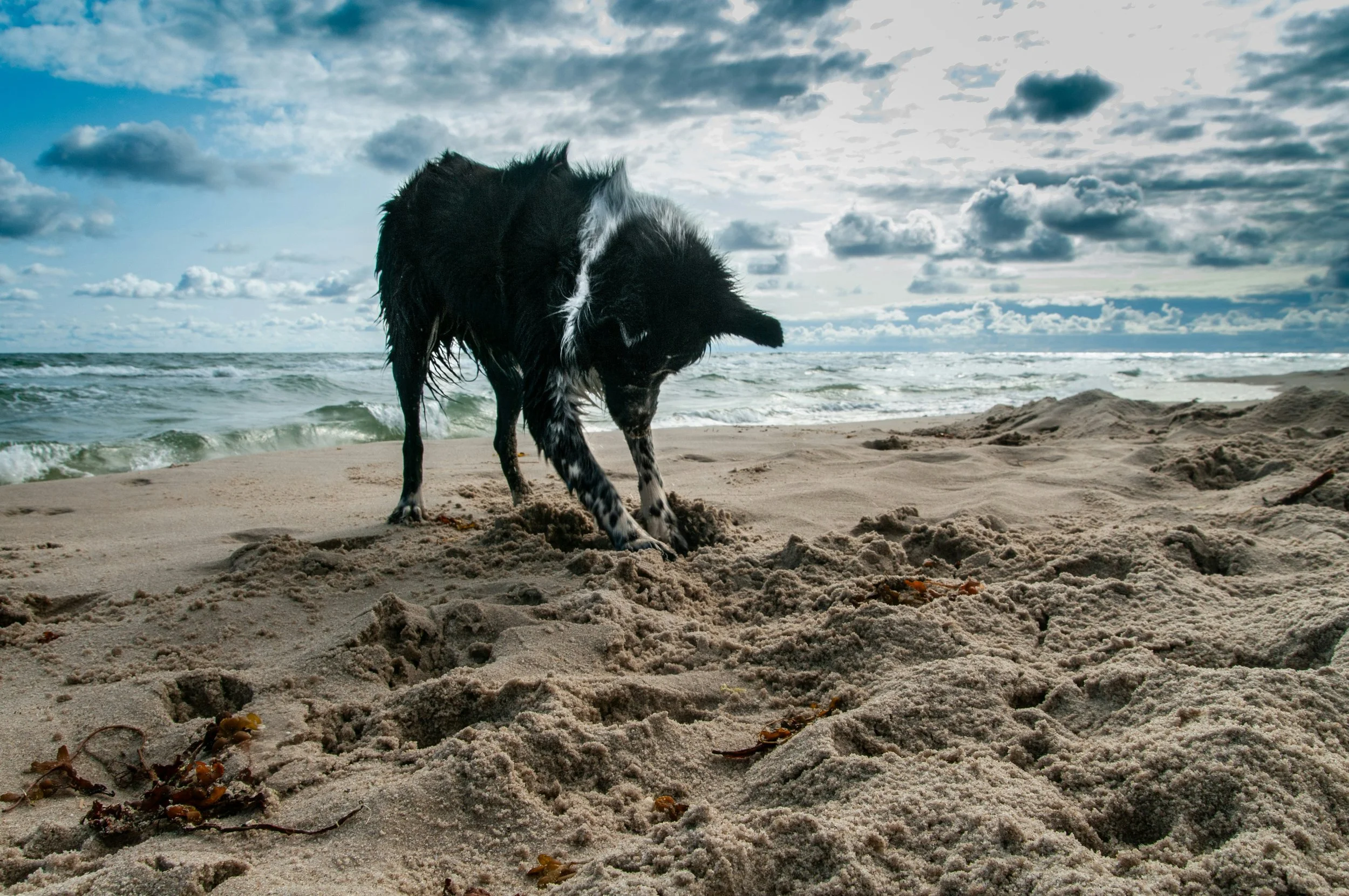
Understanding the behaviour
Digging is one of many natural behaviours that can be misunderstood when it appears in the wrong place.
But when we understand the why behind it, our response often changes. Rather than seeing the behaviour as something to shut down entirely, it becomes something that can be shaped, redirected and worked with.
And sometimes, it simply reminds us that dogs experience the world in ways that are very different from our own.