Human foods that are safe for dogs
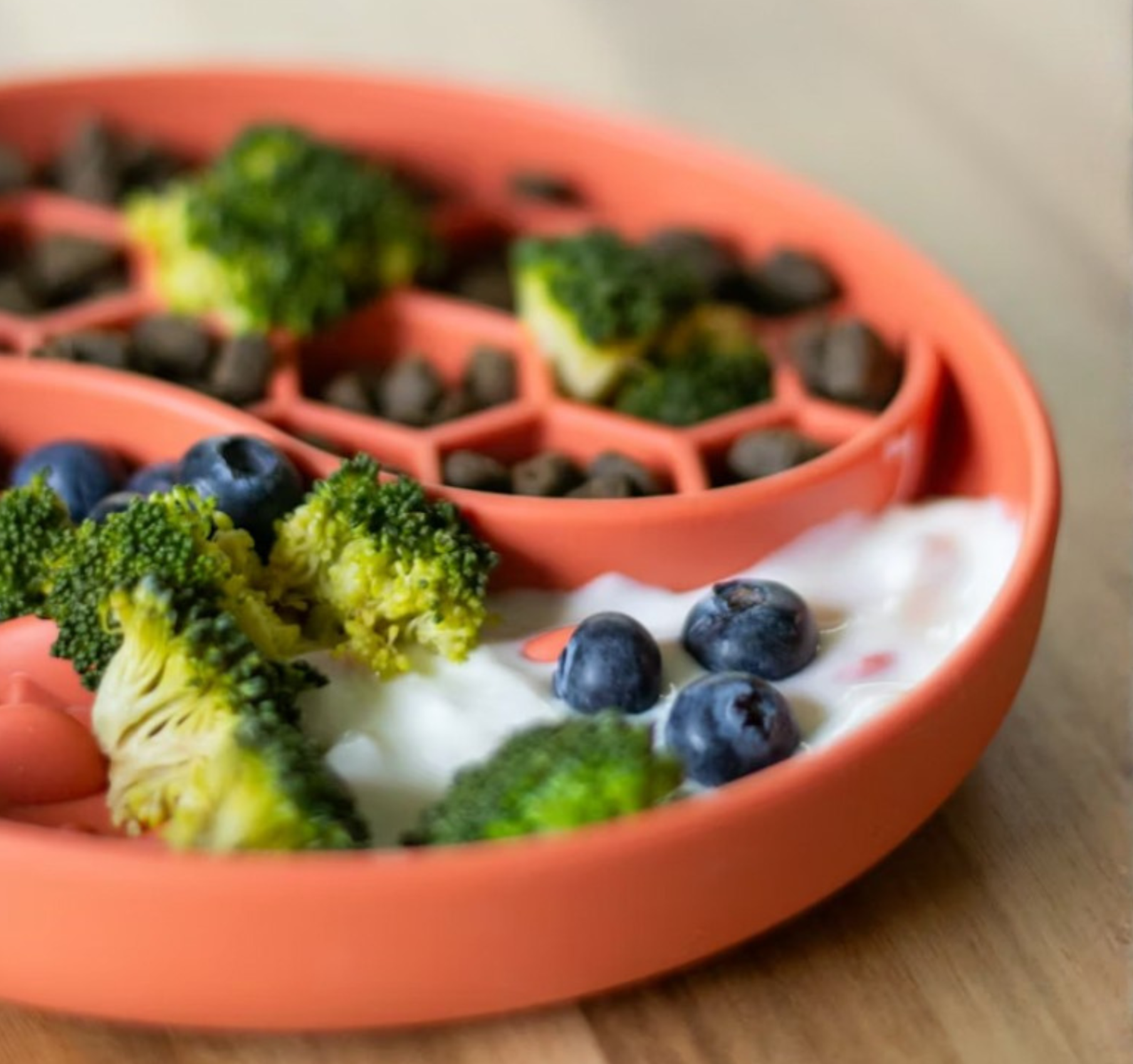
Many dog owners know that certain foods should never be shared with dogs. Chocolate, grapes and foods containing xylitol can be extremely dangerous.
But the opposite is also true. Some everyday human foods can be perfectly safe for dogs and can even provide useful nutrients when served appropriately.
The key is preparation, moderation and simplicity. Avoid foods with added salt, sugar, oils or artificial sweeteners, and introduce new foods slowly so your dog’s digestive system has time to adjust.
Below are a few examples of human foods that can safely be offered to dogs in small amounts.
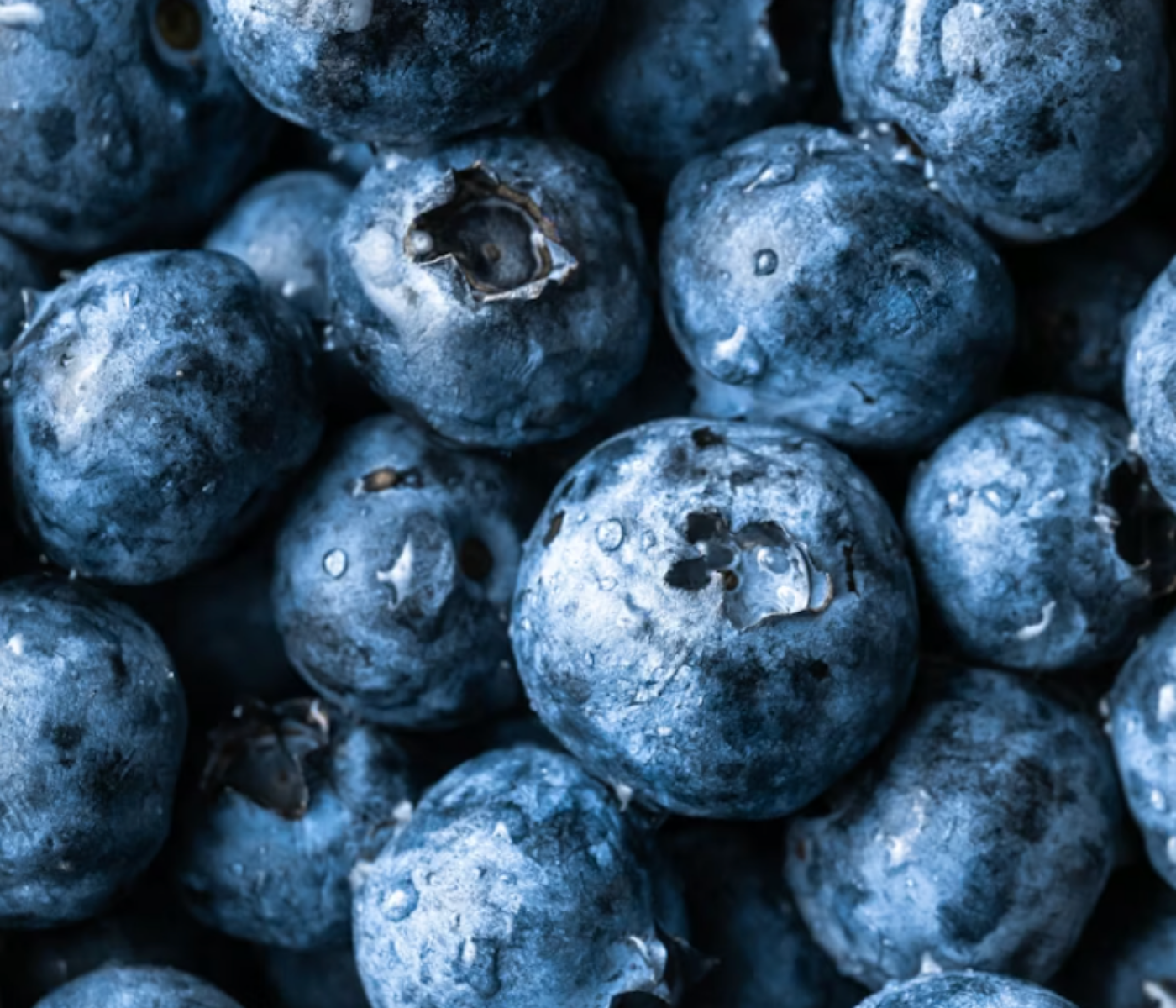
Blueberries
Small, low-calorie and rich in antioxidants.
Blueberries can make an excellent occasional treat and are easy to portion. They can be given fresh, frozen, or lightly mashed.
Many owners freeze blueberries onto lick mats or use them as small training rewards.
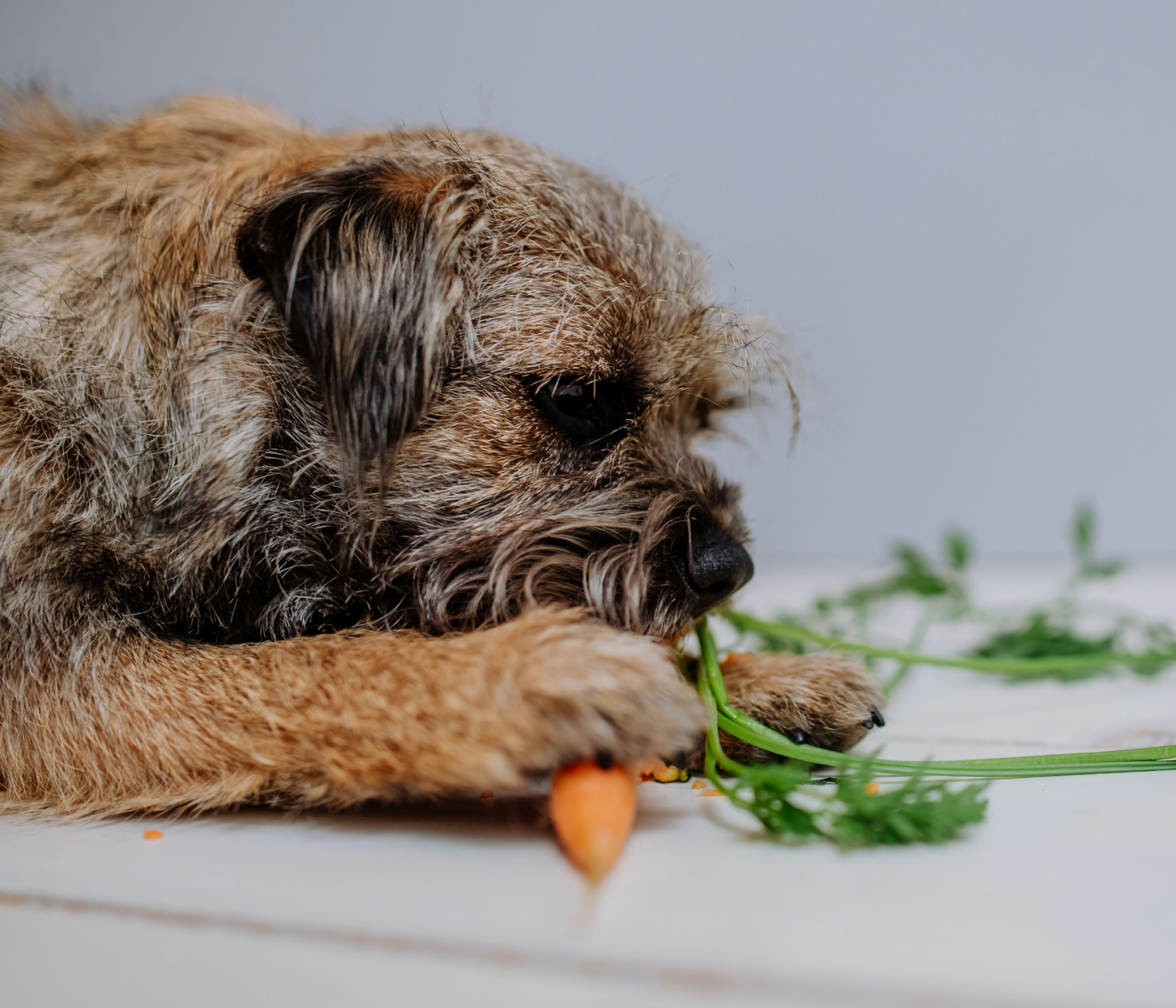
Carrots
Crunchy, low-calorie and high in fibre.
Raw carrots can make a satisfying snack for dogs who enjoy chewing. They can be chopped into small pieces, grated into meals, or frozen for a longer-lasting treat.
They’re also particularly popular with teething puppies.
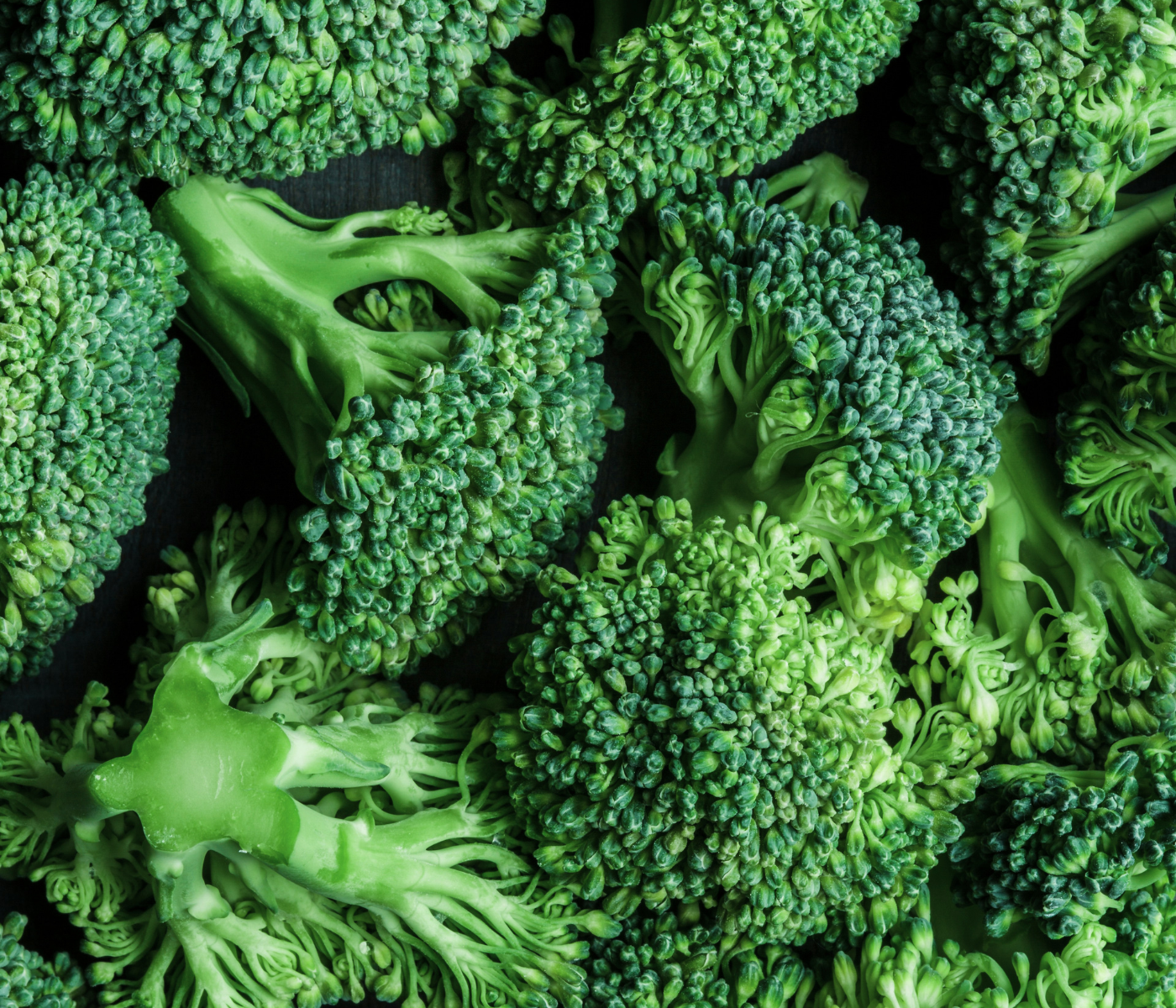
Broccoli
Contains fibre and useful vitamins.
Broccoli is safe for dogs in small amounts. Serve raw or lightly steamed, and cut into small florets to make it easier to digest.
Too much broccoli can cause stomach upset, so moderation is important.
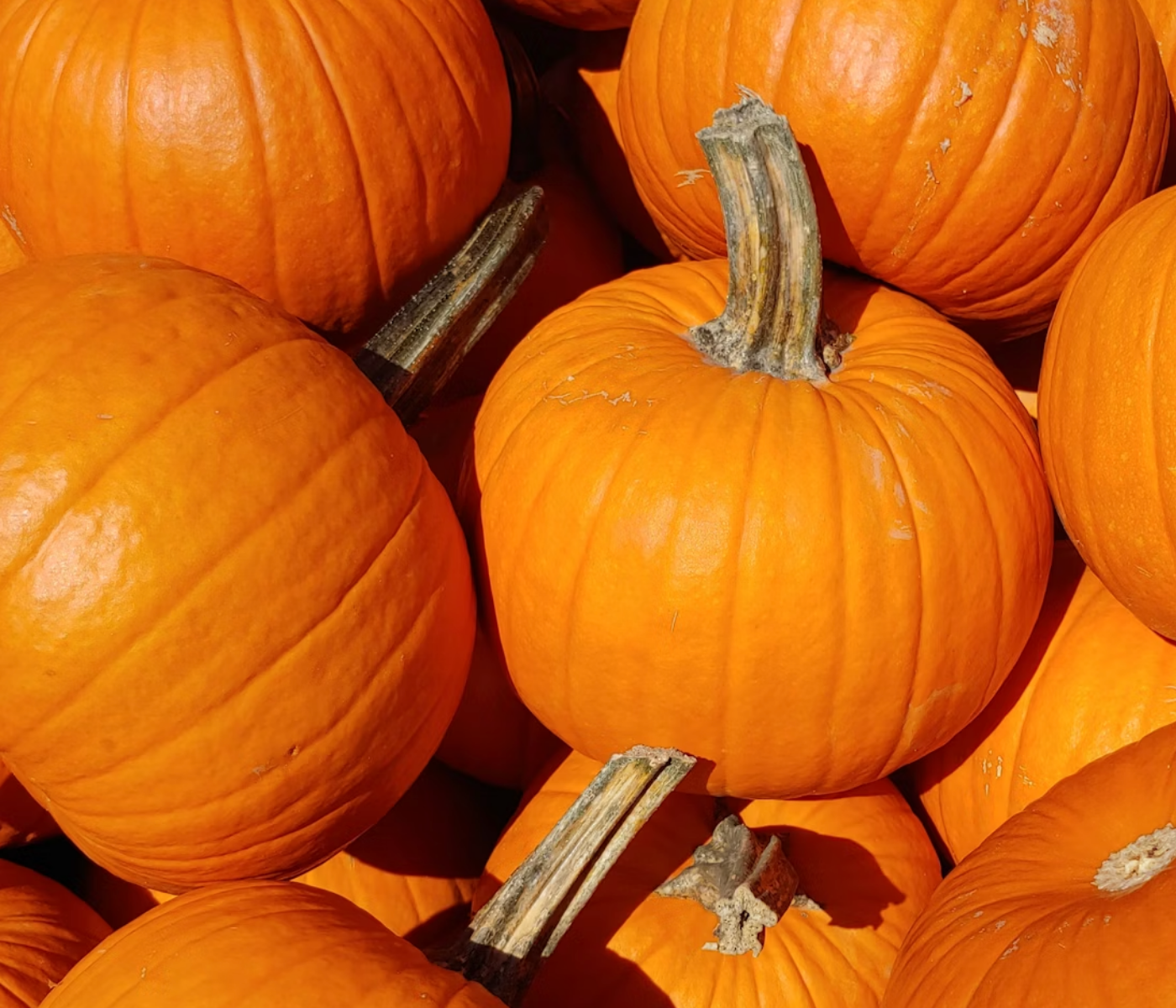
Pumpkin
Often used to support digestion.
Plain cooked pumpkin can be a helpful addition to meals, particularly for dogs with sensitive stomachs. Pumpkin powder is also commonly used as a simple meal topper.
Always choose plain pumpkin with no added sugar or spices.
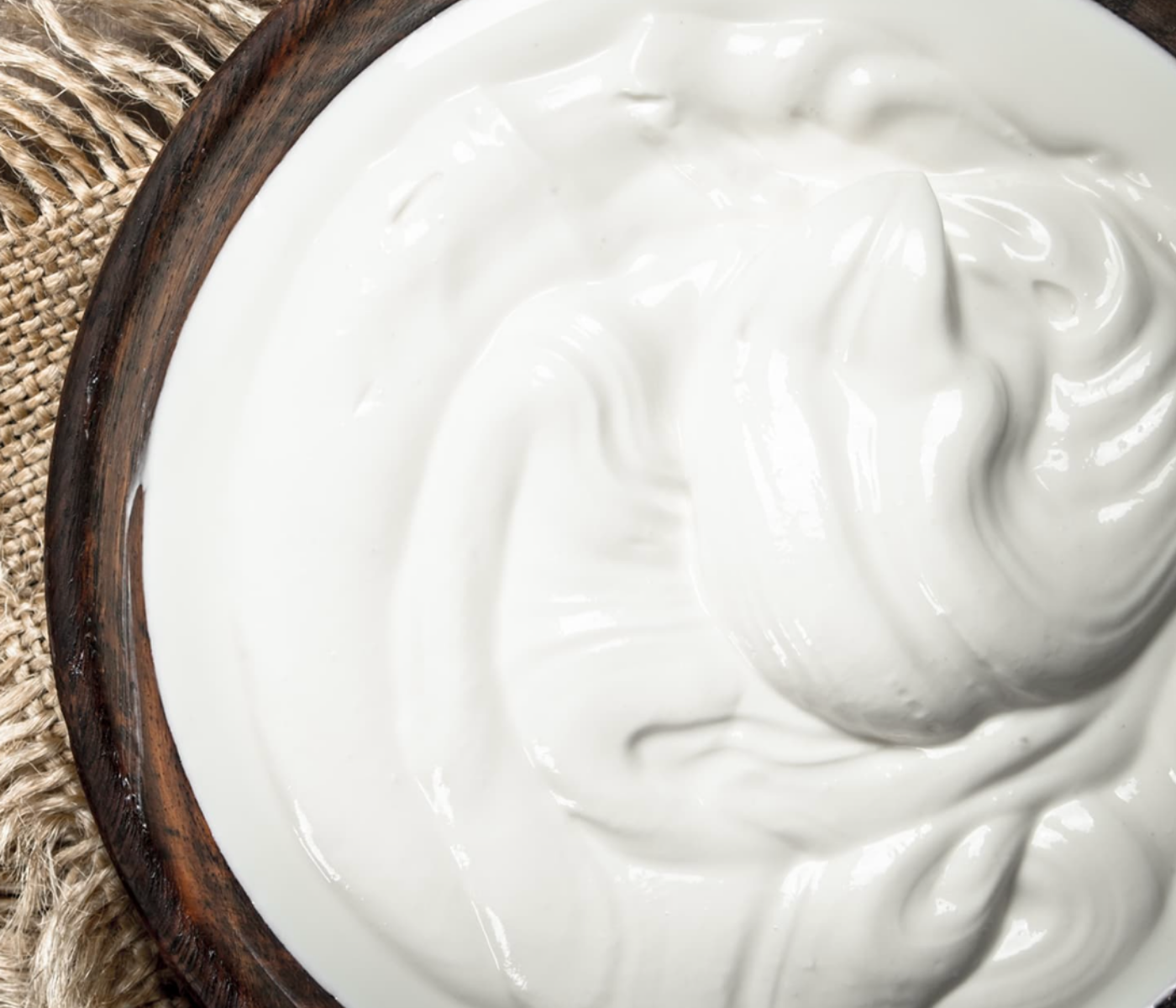
Plain Yogurt
Contains calcium and protein.
Unsweetened plain yogurt can be a useful addition to some dogs’ diets. It’s important to avoid yogurts that contain artificial sweeteners, particularly xylitol, which is highly toxic to dogs.
Small spoonfuls are usually enough.
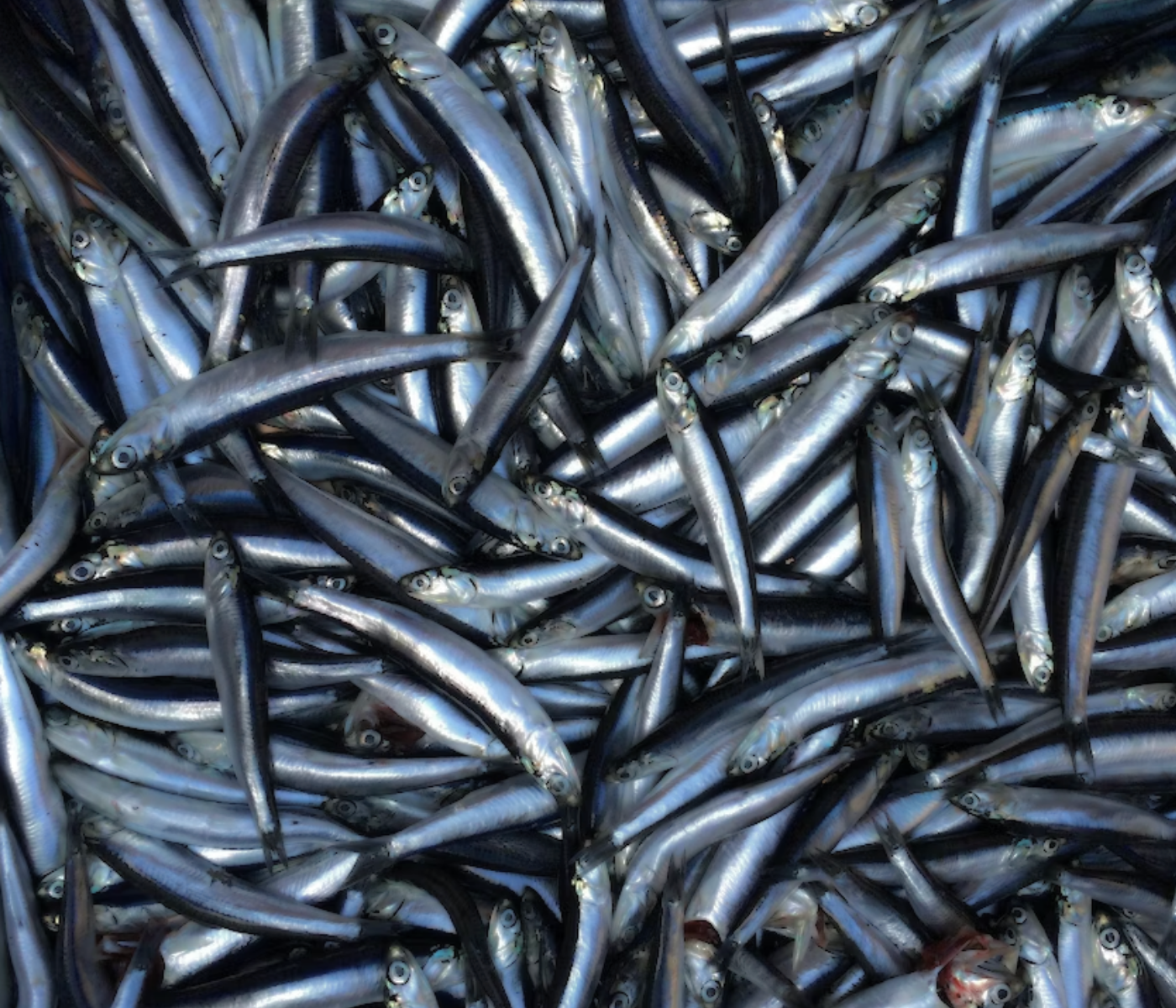
Sardines
Rich in omega-3 fatty acids that support skin and coat health.
Choose sardines packed in water with no added salt or sauces. They can be served whole or lightly mashed into meals as an occasional topper.
Even healthy foods should remain small additions to a dog’s diet. Treats and extras should only make up a small percentage of daily food intake.
Sudden changes to diet can also upset digestion, so it’s best to introduce new foods gradually and in small amounts.
If your dog has a medical condition or specific dietary requirements, it’s always best to check with your vet before introducing new foods.
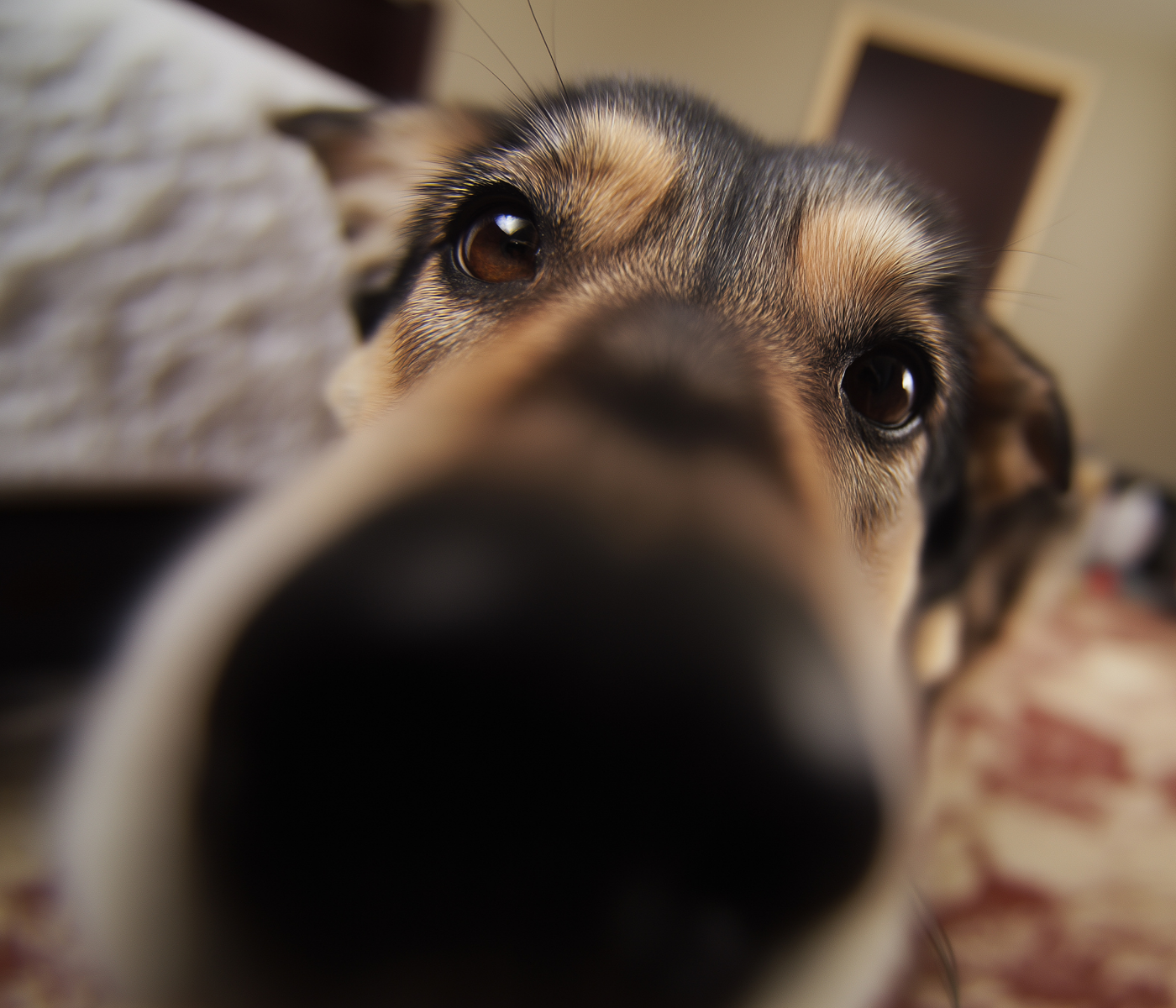
Many dogs enjoy small additions to their meals, whether that’s a handful of blueberries, a spoonful of yogurt or the occasional sardine.
And if dogs were allowed to vote, then yes, roast chicken would probably still come out on top.