Dogs and livestock: what the new law means for dog owners
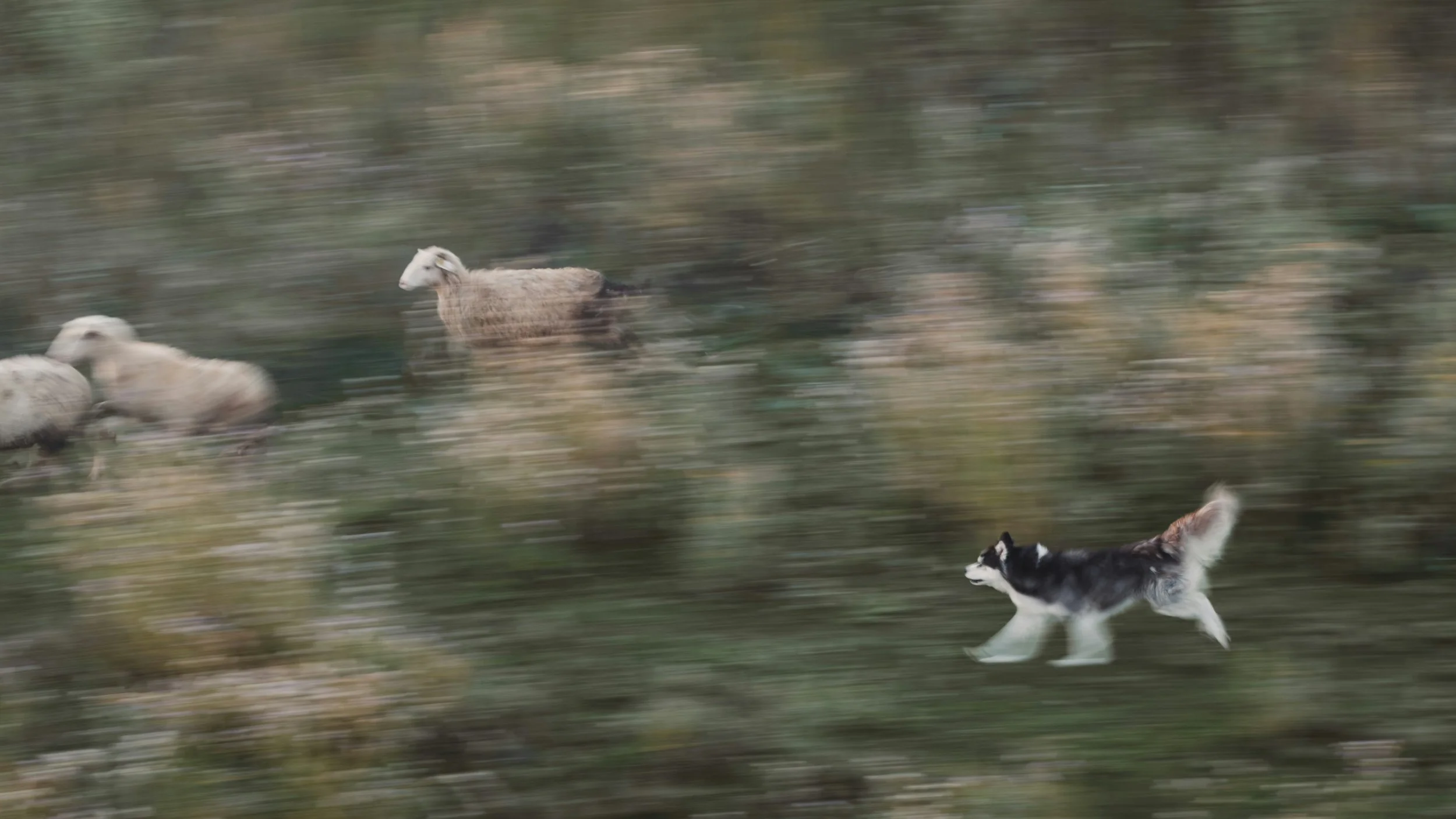
A new law has come into effect in England and Wales that changes how incidents involving dogs and livestock are handled.
It introduces stronger penalties and, in some cases, gives police the power to seize a dog suspected of worrying livestock.
For many dog owners, this may feel distant or unlikely to apply. But with longer, lighter evenings and more time spent walking in the countryside, it is more relevant than it might first appear.
What has changed
The updated law expands both the definition of livestock worrying and the powers available to police.
Livestock worrying does not only refer to physical attacks. It includes a dog chasing animals, causing distress, or behaving in a way that could lead to injury, even without direct contact.
The rules also extend beyond open fields. They now apply to roads, paths, and public rights of way that pass through or alongside land where livestock are present.
Police now have stronger powers to act. This includes entering land, collecting evidence such as DNA, and seizing a dog if they believe an offence has taken place.
Penalties have also increased. Fines are now unlimited, reflecting the serious impact these incidents can have.
Why this matters
Livestock worrying is more common than many people realise.
When dogs chase sheep or other animals, the consequences can be severe. Animals can panic, injure themselves, miscarry, or die from stress. For farmers, the financial and emotional impact can be significant.
What often catches people off guard is how quickly behaviour can change.
You might have a calm, well-behaved dog with no history of chasing. But in a new environment, particularly around unfamiliar animals, instinct can take over.
It only takes a moment.
I’ve experienced this myself. On a walk in an unfamiliar area, my own dog, usually steady and uninterested, suddenly became completely fixated on sheep nearby. It came out of nowhere.
She was on the lead, so nothing happened. But it was a reminder of how quickly situations can escalate, even with dogs we trust.
It’s not about blame
This is not about “bad dogs” or careless owners.
Chasing is a natural behaviour. For many dogs, it is deeply instinctive. The issue is not whether a dog is good or bad, but whether the environment sets them up to succeed.
Understanding that instinct, and managing it appropriately, is part of responsible ownership.
What dog owners should do
If you are walking near livestock, the safest approach is simple.
Keep your dog on a lead.
Stay aware of your surroundings.
Create distance early if you see animals ahead.
Follow any local signage or guidance.
Even if your dog has never shown interest before, it is not worth taking the risk.
A simple rule
Protect livestock. Protect your dog.
Because once something happens, the consequences can be serious for everyone involved.