Crufts, Ethics and Accountability in the Dog World
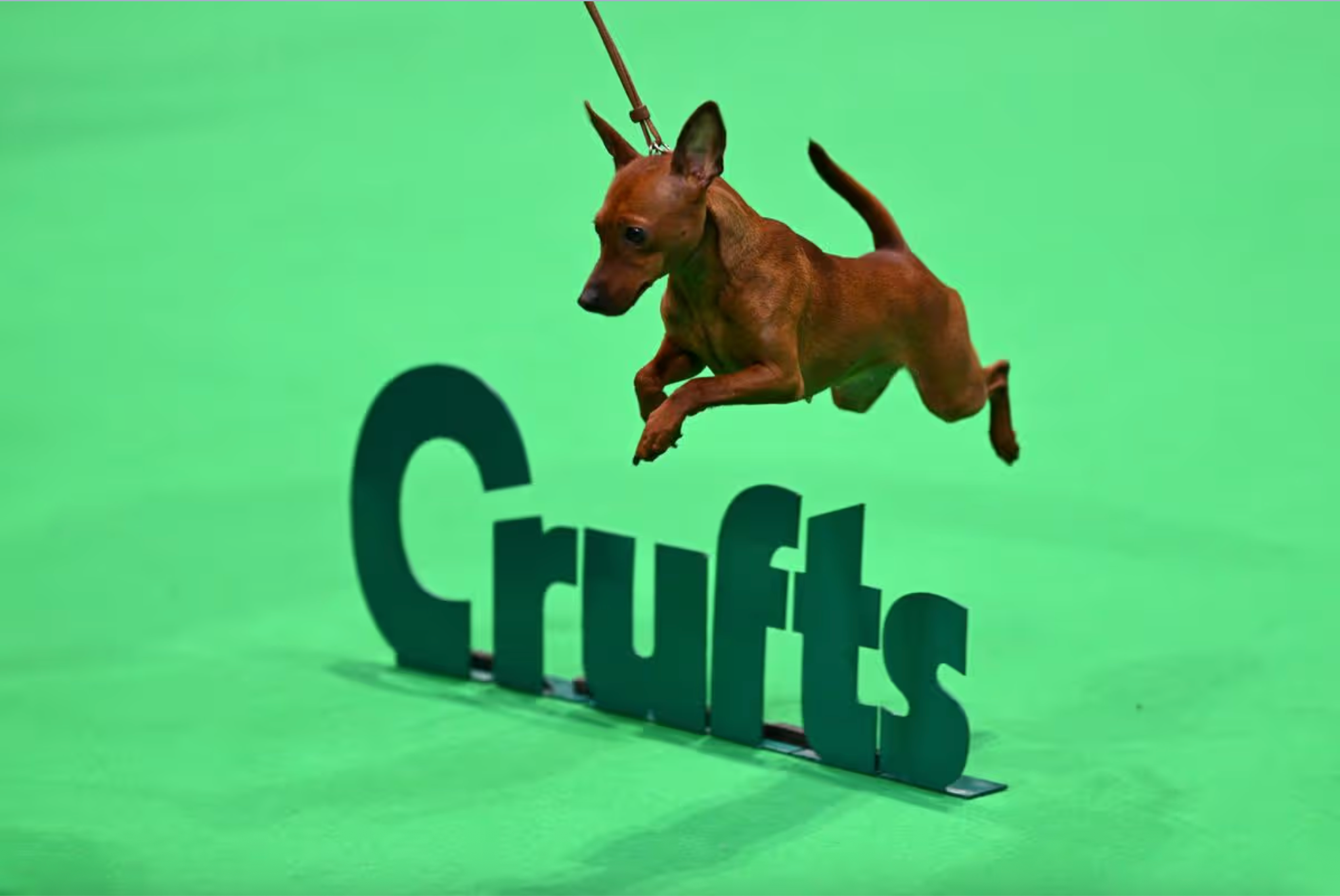
The conversation around Crufts has come back into focus again this year.
Shortly after Best in Show, it emerged that the winning handler had previously been convicted of animal cruelty. The case did not involve the dog that won at Crufts. But the revelation quickly raised difficult questions about accountability within the dog world.
For many people, Crufts represents the very best of pedigree dogs. It is the largest dog show in the world and a symbol of decades of breeding tradition. But moments like this can shift the conversation. They force people to ask not only how dogs are bred and judged, but also who should be allowed to represent the sport.
At the same time, another discussion continues to run alongside it. For years, critics have questioned whether some pedigree breed standards prioritise appearance over long-term health and welfare.
Supporters of pedigree breeding strongly challenge that idea. Many responsible breeders point to health testing, careful breeding decisions and years of dedication to maintaining healthy bloodlines. They argue that well-run breeding programmes protect breeds rather than harm them.
These debates can be uncomfortable.
But they sit at the heart of how society increasingly thinks about dogs, breeding and responsibility.
The latest Crufts controversy highlights another layer of that conversation.
Should people with past animal cruelty convictions be allowed to compete at events like Crufts?
Some argue that a past conviction should permanently disqualify someone from participating in the dog world.
Others believe that people can change, and that past mistakes should not always define someone’s future involvement.
It is not a simple question.
But as attitudes toward animal welfare continue to evolve, these discussions are likely to become more common.
And for many dog lovers, they matter deeply.